VENICE, Fla. – After a three-day weekend, witness testimony is expected to continue Tuesday in a $200 million lawsuit against Johns Hopkins All Children’s Hospital that was featured in the Netflix documentary ‘Take Care of Maya’.
On Friday, Complex Regional Pain Syndrome, or CRPS, took center stage as Maya Kowalski’s brother, teacher, neighbor and uncle told jurors what they saw the then 9-year-old girl go through and how ketamine treatments impacted her life.
The Kowalski’s say they took Maya to the hospital in October 2016 because she was having an intense pain flare up from CRPS.
However, she was placed into state custody after staff members from the St. Petersburg hospital and the Department of Children and Families accused Maya’s mother, Beata Kowalski of child abuse.
After being kept away from her daughter for 87 days, Beata Kowalski hung herself in the family’s home.
Maya sits in a Sarasota courtroom listening to testimony.
Now, the surviving Kowalskis are suing Johns Hopkins All Children’s Hospital for $200 million, claiming the actions of ACH and DCF caused Beata Kowalski to take her own life.
What disease did Maya have?
Complex Regional Pain Syndrome (CRPS) is a rare pain disease that can follow an injury, and it’s tough to diagnose and sufferers are sometimes accused of faking their pain.
The Kowalski family attorney argues that the hospital staff refused to believe Maya had CRPS even after Maya’s doctor, who did not work for All Children’s Hospital, confirmed her diagnosis.
RELATED: ‘An unseen pain’: Woman describes living with CRPS as ‘Take Care of Maya’ trial continues
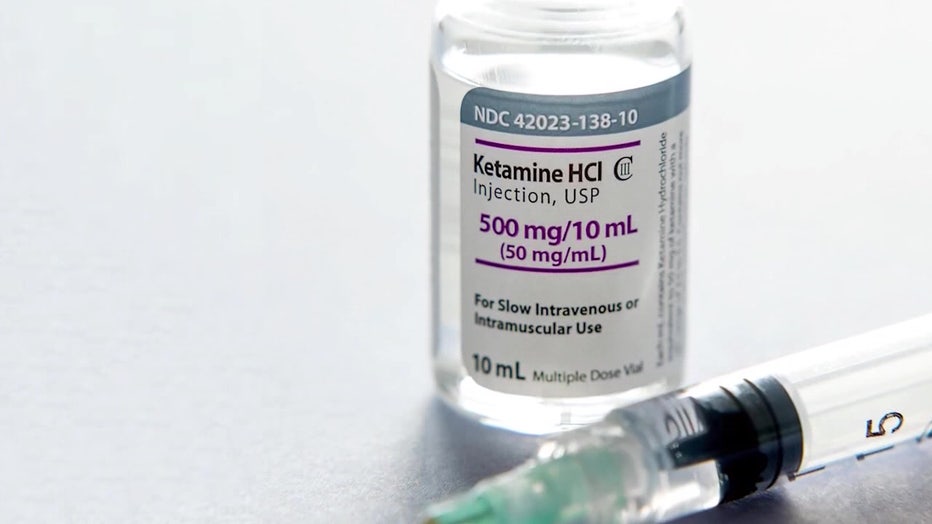
That same doctor had previously prescribed ketamine as a treatment, which can be used as a pain management tool, but it is also sometimes abused. In high enough doses Ketamine can cause coma and even death.
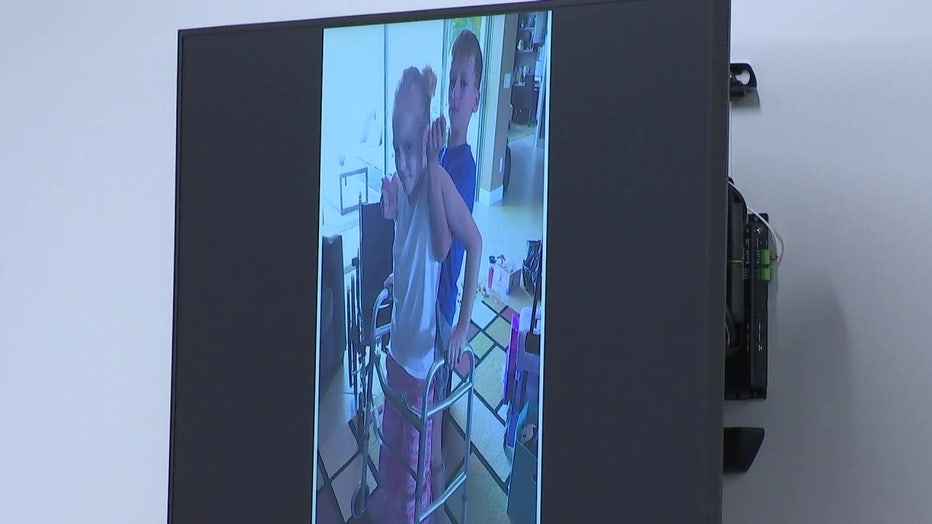
Family photo shows Kyle helping Maya try to walk.
The Kowalski family’s attorney spent Friday morning painting a picture for the jury of how Maya went from a typical little girl riding her bicycle around the neighborhood to not being able to walk on her own.
There’s no cure for CRPS and treatments can range from acupuncture and nutrition to physical therapy and massage or ketamine therapy.
Why was Maya taking Ketamine?
The Kowalskis say Maya had been receiving ketamine infusion therapy for more than a year as part of her treatment for CRPS.
Ketamine is an anesthetic that reduces sensation and can have hallucinogenic effects. It is sometimes abused recreationally and in high doses, ketamine can cause coma or death.
While at the hospital, Maya’s mother Beata Kowalski, insisted the hospital give her daughter Ketamine. Her persistence alarmed hospital staff and they called in a report to the Child Abuse Hotline.
They suspected Beata Kowalski, who was a registered nurse, was making her daughter sick.
When the hospital’s attorney began his opening statements, he noted that several hospital staffers believed Beata Kowalski suffered from Munchausen syndrome by proxy (MBP) and they were trying to protect Maya.
Why wasn’t Maya allowed to see her family?
A judge ordered Maya to be sheltered at the hospital while the child abuse allegations were being investigated. She wasn’t allowed to be discharged to her family or another treatment facility and could not see her mother.
According to both the Netflix documentary and the lawsuit, Maya’s CRPS physician confirmed her condition and course of treatment to Johns Hopkins staff, but they continued to press forward with a child abuse case against Beata Kowalski.
Beata Kowalski died by suicide about three months after Maya was taken into state custody. She left a note saying she could no longer take the pain from being away from her daughter and being treated like a criminal. Maya was eventually allowed to return to her family following her mother’s death.
Maya Kowalski listens to opening statements in a $200 million case against All Children’s Hospital.
“We had no reason to wish this family harm and we still don’t, the issue here is who is responsible for it. We will go over the facts and what the facts don’t show in terms of any connection of what was done by All Children’s and that tragic result,” said Howard Hunter representing Johns Hopkins All Children’s Hospital.
Hunter says staff at Johns Hopkins All Children’s Hospital followed state law by reporting a situation that raised red flags for the medical staff.
However, the Kowalski family claims that while hospital staff was accusing them of lying about CRPS and refusing to treat Maya, the facility was billing the family and their insurance more than half a million dollars for that exact cause of illness.
The hospital is expected to argue that Maya’s outside Ketamine treatments were dangerous and inappropriate for a child.
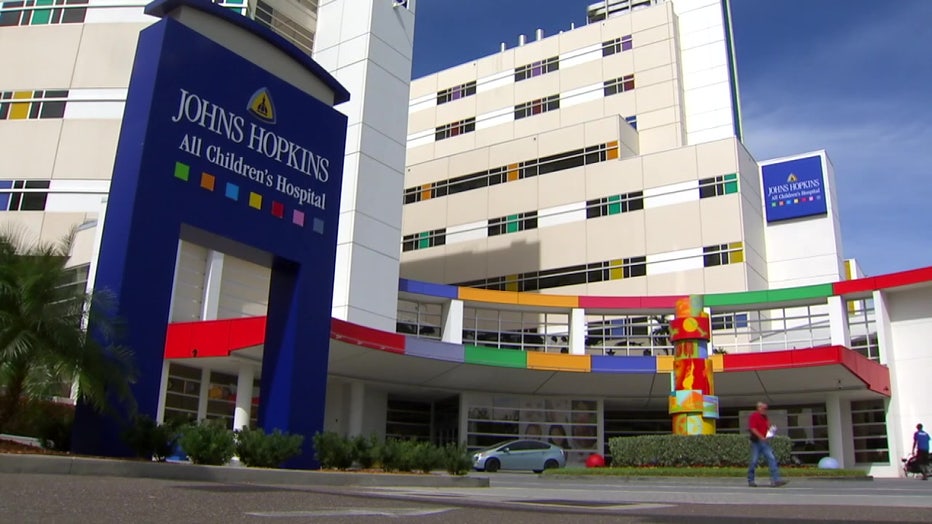
File: Johns Hopkins All Children’s Hospital
Jurors will ultimately have to decide whether what happened to the Kowalski family could have been prevented and if the hospital’s actions pushed Beata Kowalski to take her own life.
“We ask in this case for you to consider not only compensatory damages to try to make them whole for these terrible things, but also punitive damages to deter them to punish them and to deter this type of behavior in the future,” said Hunter.
The family already settled with the DCF Suncoast Center and child abuse pediatrician Dr. Sally Smith who once worked for the center, but is no longer employed by the organization.
Earlier this week, the Kowalskis dropped a case against DCF social worker Catherine Bedy, who was a focus of the documentary.
The family’s attorney reportedly described the decision as a ‘walkaway agreement’, which means the family chose to drop the suit against Bedy while continuing to sue the hospital.
The trial is expected to last up to two months.